
On a quiet evening in 2026, a player reopened Honkai: Star Rail after a long break. The roster had grown, the menus had more tabs, and the community had no shortage of advice. Yet the character screen told a familiar story: power in this turn-based RPG is not a single button. It is a stack of systems, each one nudging a favorite character from fragile to formidable. The player took a breath, opened the first character, and began at the beginning.
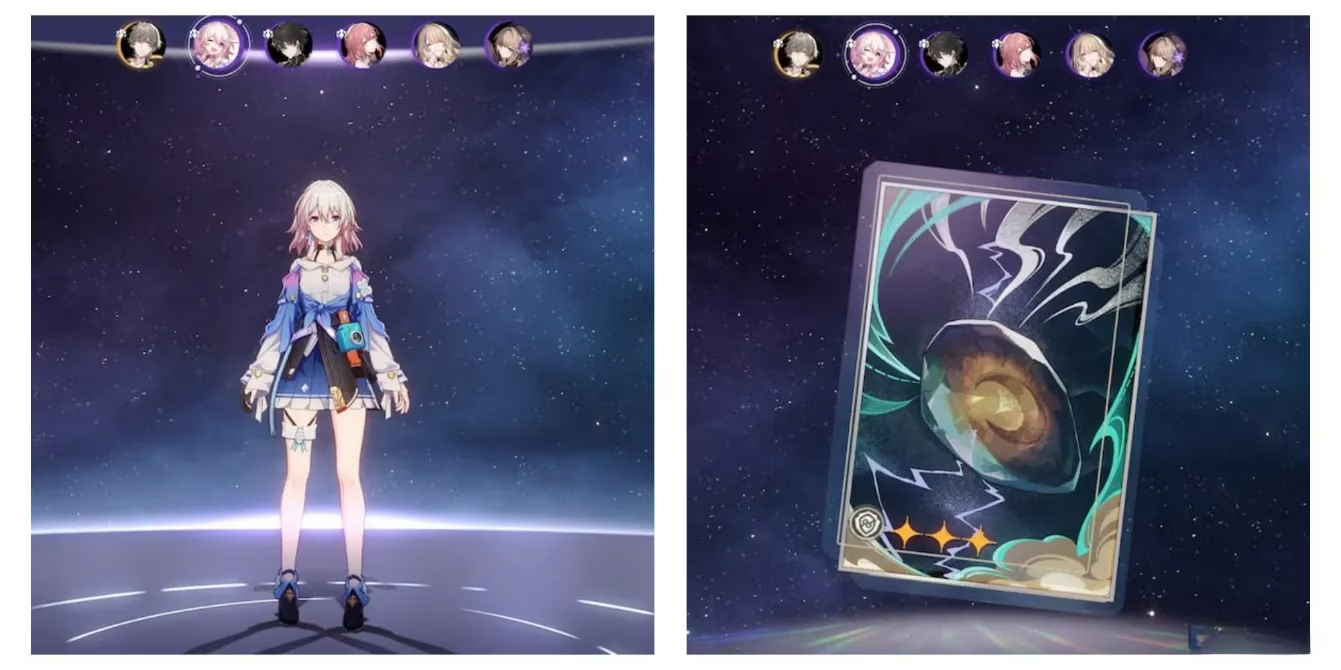
Character Level: The First Door
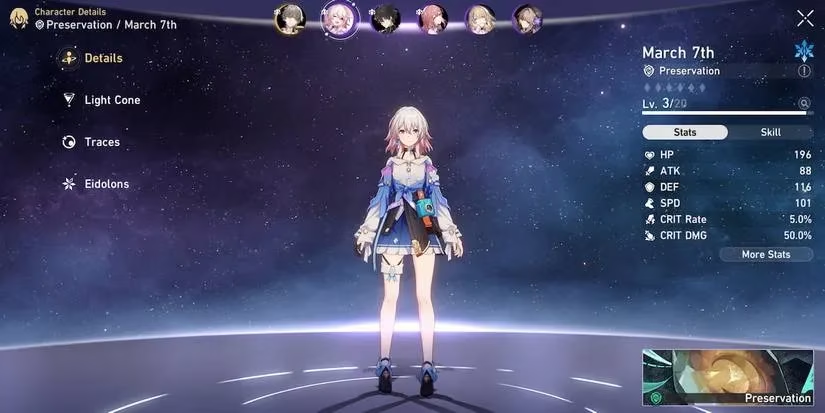
Every character in Honkai: Star Rail starts at Level 1. With enough materials, patience, and ascension steps, that same character can climb to Level 80 and reach their strongest individual combat form. The road is not open from the start. Each character begins with a base level cap of 20, and ascension raises that ceiling by ten levels at a time. Trailblazer Level and Equilibrium Level also stand at the gate, deciding how far a player can push a character before the game asks for more progress elsewhere.
In 2026, the surrounding content may be bigger, but this first lesson still holds. No shortcuts, no magic wand—just patience. The player ascends, levels, and watches the numbers rise.
Traces: The Quiet Skill Tree
Traces are the skill tree that sits behind the character sheet. Upgrading through its branches unlocks nodes and improves skills, passive abilities, enhancements, and other stats. Materials come from tasks and defeated enemies, so the system rewards steady play rather than one dramatic leap. It is not exactly glamorous, but it works. The menu does not shout for attention; it waits for a player who is willing to read the branches.
Eidolons: Duplicates With a Purpose
Eidolons work like Constellation upgrades in Genshin Impact. Each character has six Eidolon enhancements, and each one can unlock unique passive abilities or strengthen existing skills. The catch is simple: Eidolons require duplicate copies of a character, usually from Warps or another acquisition method. The first copy adds the character to the roster. Repeated copies become Eidolon upgrades. That is the whole ballgame. In 2026, a duplicate still makes a player pause—half disappointment, half possibility.
Light Cones: The Character’s Trusted Tool
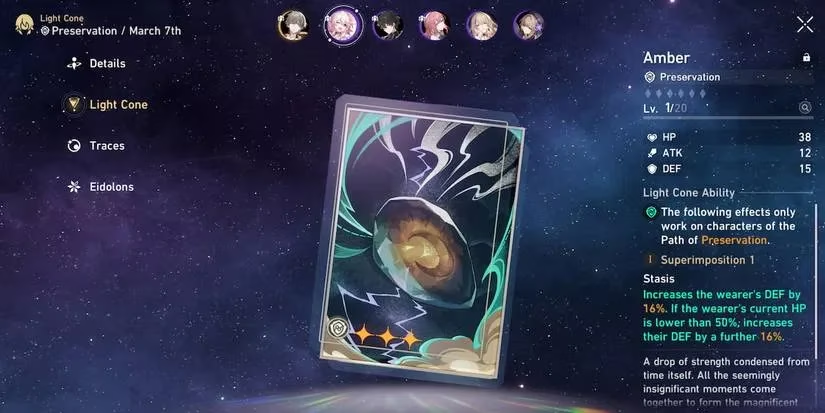
Light Cones serve as the weapons of Honkai: Star Rail. Each character can equip one to gain extra passive abilities and combat bonuses. Each Light Cone is tied to a specific Path, so the right fit matters. Light Cones can be leveled from 1 to 80 with materials, and their stat bonuses grow with every level. Rarity runs from three stars to five stars. The Light Cone sits in its slot like a trusted tool, not a loose accessory.
Relics: Sets That Shape the Build
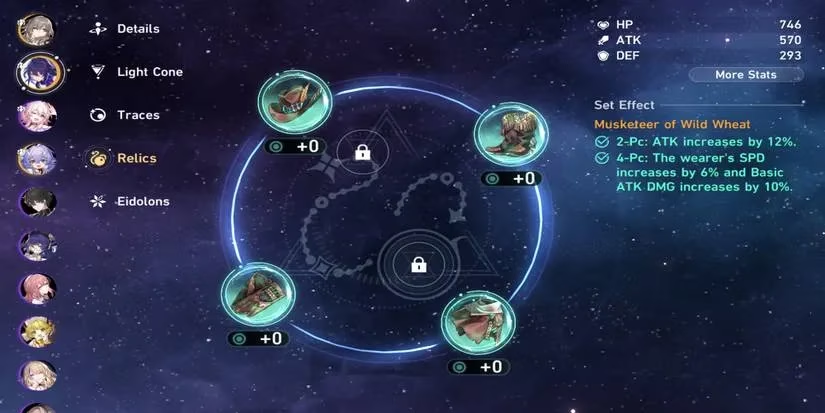
Relics are equipped as sets, much like Artifacts in Genshin Impact. They add attributes based on the set bonus and the individual piece. There are six distinct varieties of Relics, each with its own rarity, main stats, and sub-stats. A good set can make a character feel complete; a mismatched set can leave obvious gaps. The player learns to compare, swap, and sometimes walk away to farm again.
The Six-Part Checklist
| System | What it does | Key detail |
|---|---|---|
| Character Level | Raises base stats and combat strength | Level 1 to 80; ascension raises caps |
| Traces | Unlocks skill-tree nodes and passive upgrades | Materials from tasks and enemies |
| Eidolons | Adds unique passives and skill enhancements | Six upgrades; needs duplicates |
| Light Cones | Acts as a weapon with passive bonuses | Path-specific; Level 1 to 80; 3–5 stars |
| Relics | Provides set bonuses and stat boosts | Six varieties; main stats and sub-stats |
By the time the player closed the menu, the character looked less like a collection of numbers and more like a project. The game had changed around it, but the lesson held: build one layer at a time. The rest... well, that was for the next session.